
NLHF Grantee Q&A

32 Church Street, Ballymoney
17th August 2026NLHF Grantee Q&A
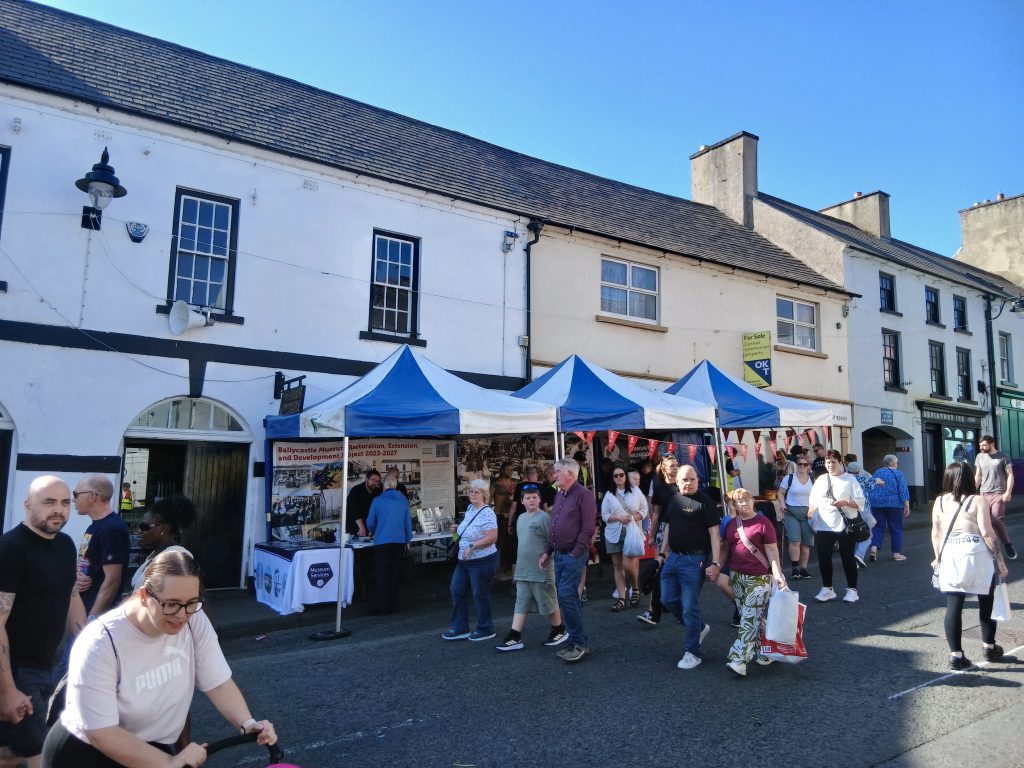
Ballycastle Museum’s current home, the black and white building, will expand sideways into the cream building.
When Ballycastle Museum was successful with its Delivery Phase grant application from The National Lottery Heritage Fund, the project officer took part in a grantee Q&A session with the funder. The resulting Grantee Q&A information, published on The National Lottery Heritage Fund website on 18/08/26 is replicated below with permission from the funder.
*****
Dogged perseverance and good teamwork can overcome (almost) any problem says Dr Nic Wright, Ballycastle Museum Project Officer at Causeway Coast and Glens Museum Services.
About the project
Work to breathe new life into a small museum on the north coast of Northern Ireland is underway, having successfully gained local people’s support and interest. The project will improve the town’s streetscape by restoring two historic buildings and better engage people with Ballycastle’s stories through improved gallery and activity space.
Having completed planning and preparations during the development phase, we’ve awarded the project £2.1million to deliver their vision.
But the project’s journey was far from smooth. Having a visible presence on the ground in the town and making the most of fortuitous opportunities were important to finding a path forward and keeping stakeholders on side.
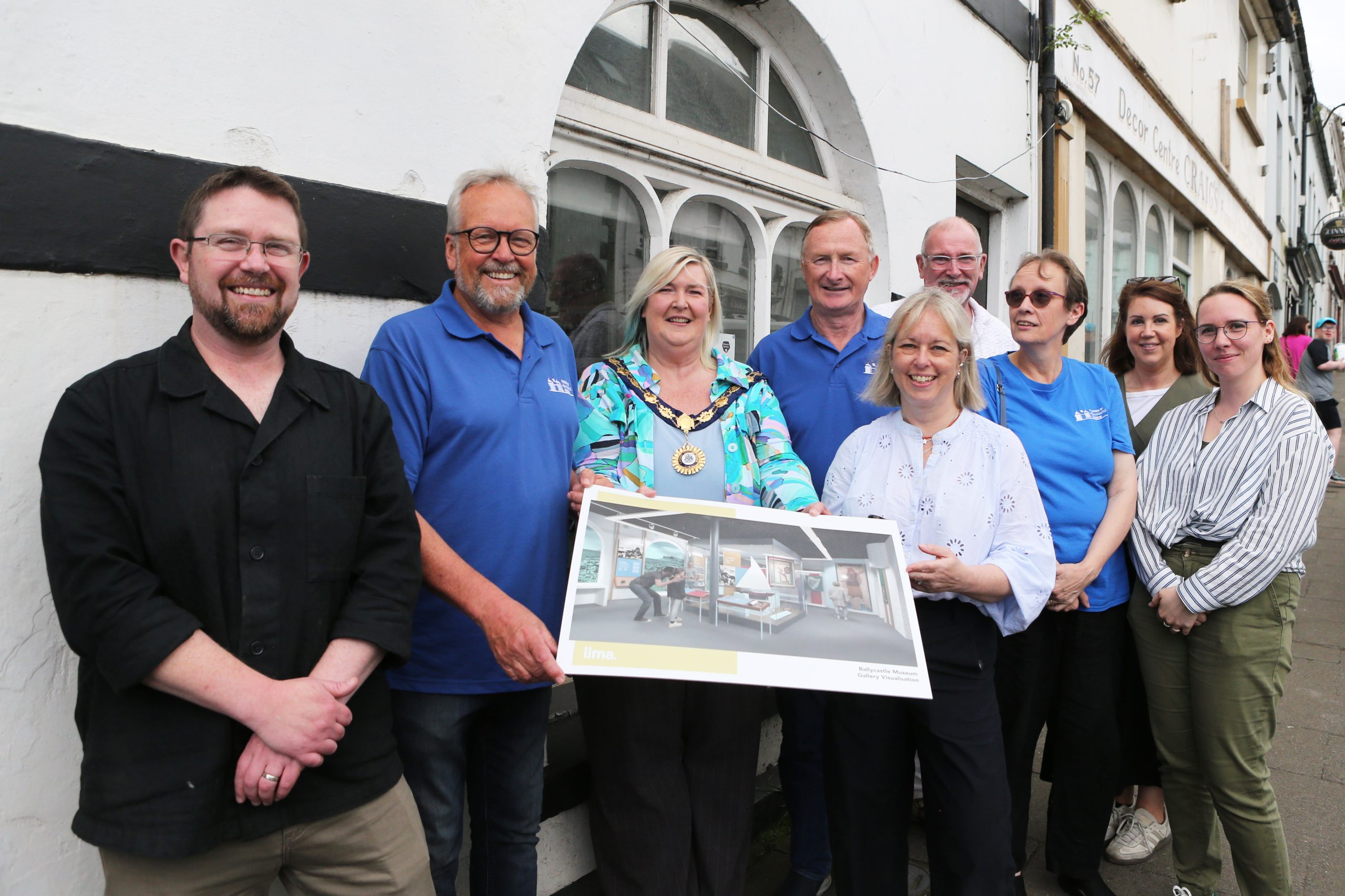
Nic Wright (left) celebrates receiving delivery funding with the Deputy Mayor of Causeway Coast and Glens, Stella Byrne, Director, Northern Ireland at the Heritage Fund and Museum Services staff and project volunteers.
What would you recommend organisations spend more time on when putting together an application for development phase funding?
Think about your audience. How are you going to engage with them so they will get something out of your project? Working out ways to appeal to your current audience while also broadening that audience as much as possible requires a lot of thought. If done well, it’s very rewarding.
How did you adapt to unforeseen challenges during the development phase?
We faced quite a few challenges over the course of the development phase and each one of them potentially could have been a project-ending issue. Staffing changeover disrupted progress on planning the capital works. We discovered a previously unknown live sewer that caused major problems for our original plan to extend the museum to the rear.
A dogged perseverance and stubbornness are essential: that resilience to see that issues aren’t insurmountable. And a good team around you. I had good support within the museum service, our architects provided thoughtful and practical solutions, the volunteers were amazing and our Investment Manager at the Heritage Fund was understanding and supportive.
How did you approach changing your plans?
Now we’re extending the museum to the side, adaptively reusing a second historic building next to us. We were fortunate that the building came up for sale. As problems with our initial plans mounted, we did a cost-benefit analysis and had honest conversations with the council and the Heritage Fund. We went with a fully reasoned case explaining why the original plan wasn’t going to happen, and asking whether they’d support pivoting the project. It became clear this was an opportunity that we had to take.
But at the end of the day, that’s what the development phase is about: looking at your plans and seeing whether you can actually take it further, or do you need to change it.
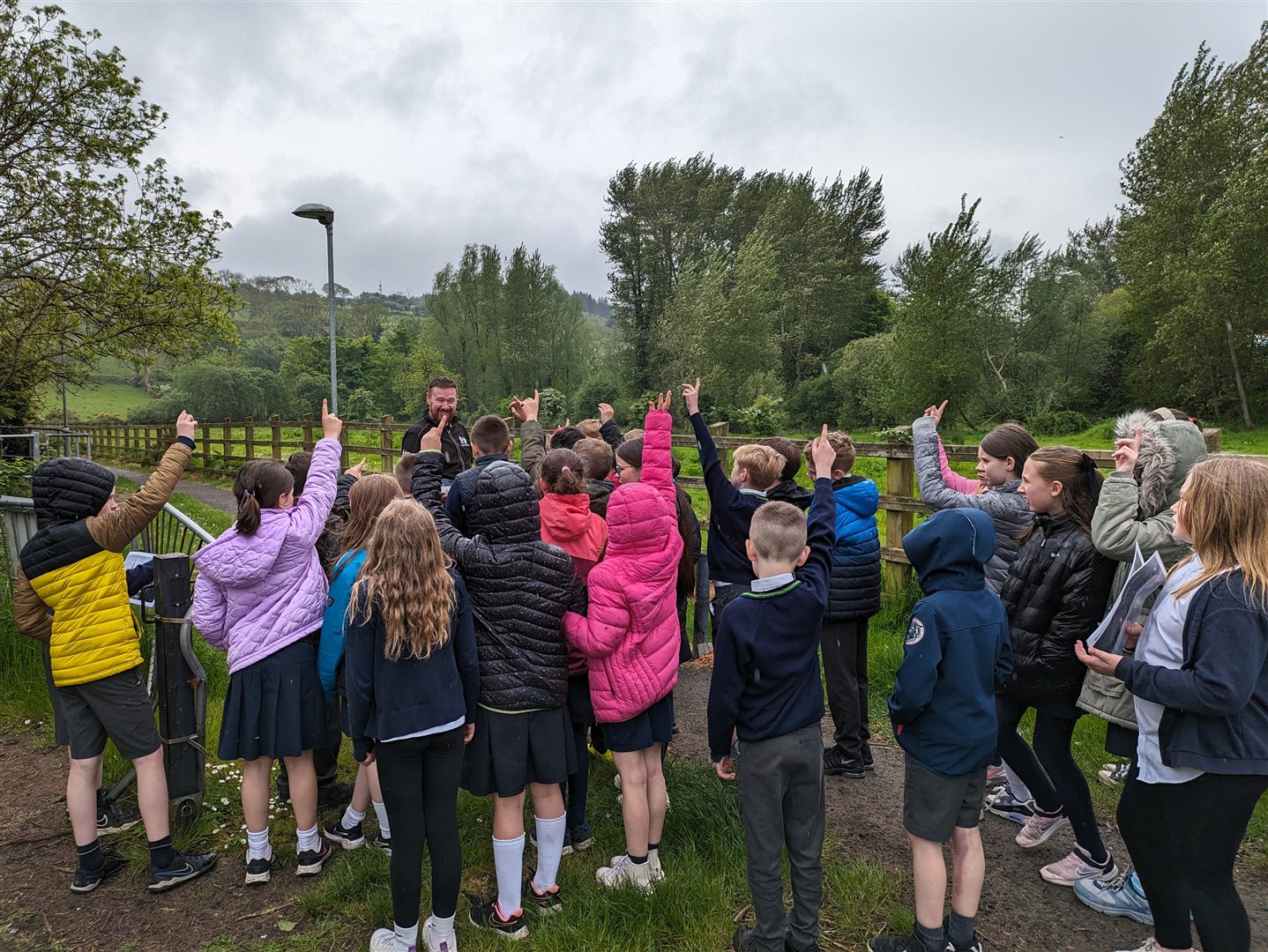
Young Historians (8-11 year olds) went on historical tours of Ballycastle and curated their own written and artistic responses to the town’s history. “They got really excited discovering the stories about the place where they live,” says Nic.
How significant was having more staff resource for engaging with the public about the project’s work?
It was essential to have a person on the ground: to make connections, to run the engagement programme, to manage the budgets, to coordinate all the different moving parts of the project.
People in the community know there is one person that they can speak to if they have a query or an issue or want to know what’s happening with the project.
What unexpected impact or benefit have you seen as a result of your public engagement?
The project’s community activities have built momentum and a buzz within the town. And it’s helped to build trust.
Unexpectedly, it’s led to many more donations. People know we will have more exhibition space and rotate the displays, meaning more of the collection will be out for people to see.
What recommendations do you have for engaging with the community?
Have a varied activity plan so that there is something to interest everybody. Don’t assume one-size-fits-all in terms of where people’s interests lie or around what people may be willing to volunteer to do.
What advice would you give to a small museum applying for funding for the first time?
Ask lots of questions. And if something doesn’t sound right or if something sounds too good to be true, query it. We had no experience with big capital projects so we asked lots of questions up front around capital works, planning and how working with architects and funders would work.
This is part of a series of Q&As with successful grantees – helping to demystify the project application and delivery process and share experience across the sector.
