
RMS Titanic’s Causeway Connections

Remembering the Holocaust
8th April 2026
Green Lane Museum 2026
21st April 2026RMS Titanic’s Causeway Connections
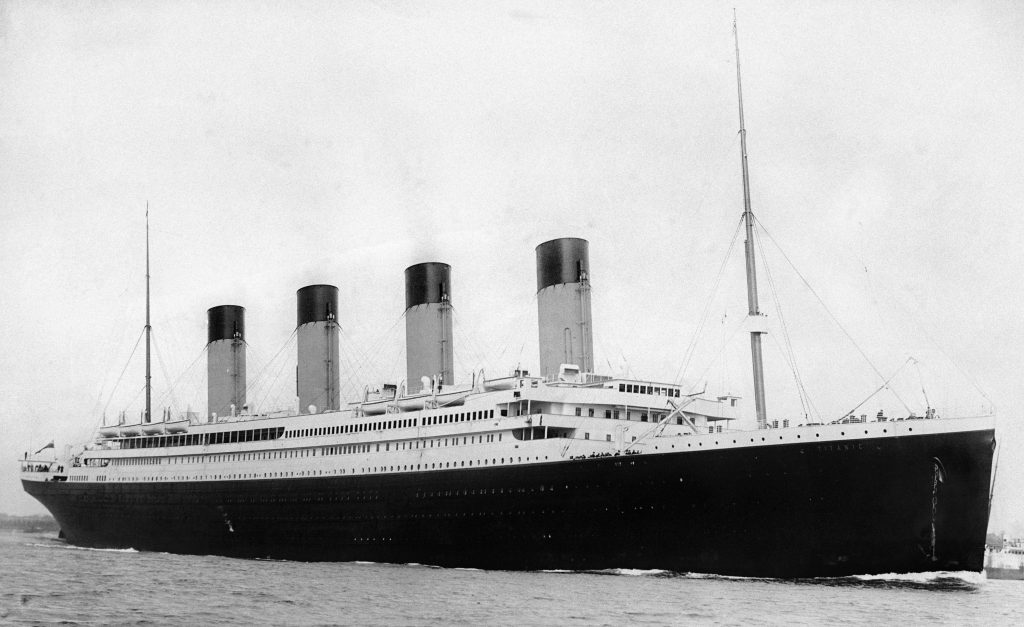
The RMS Titanic
The RMS Titanic was the largest ship ever built when she was launched in 1911. Designed and built for White Star Line by Harland and Wolff at the Belfast dockyard, her maiden voyage left Southampton for New York on 10th April 1912. She carried approximately 1,317 passengers, and 885 crew.
| Dimensions
Length: 269.1m Beam (width): 28.2m Height (keel to funnel): 53.3m Tonnage: 46,329 |
At 11:40pm on the 14th April, just four days into her voyage, Titanic struck an iceberg in the North Atlantic. She transmitted wireless calls from 00:45-2:10am on the 15th, foundering at 2:20am and slipping below the waves. Her hull settled on the ocean floor 2.5 miles below the surface.
Although the Titanic was fitted out with lifeboats, she only carried 20 with capacity for around a third of her potential passengers and crew. The RMS Carpathia responded to the distress signals and picked up the first lifeboat at 4:10am. It is estimated that 815 passengers and 688 crew lost their lives during the tragedy.
| Did you know?
The Titanic was designed to carry post as well as people? The RMS in RMS Titanic stands for Royal Mail Ship. |
The sinking of the Titanic made international news with thousands of people losing friends and loved ones in the tragedy. Within the Causeway Coast and Glens there are numerous connections to the ship and her story.
Marconi, from Rathlin to the RMS Titanic.
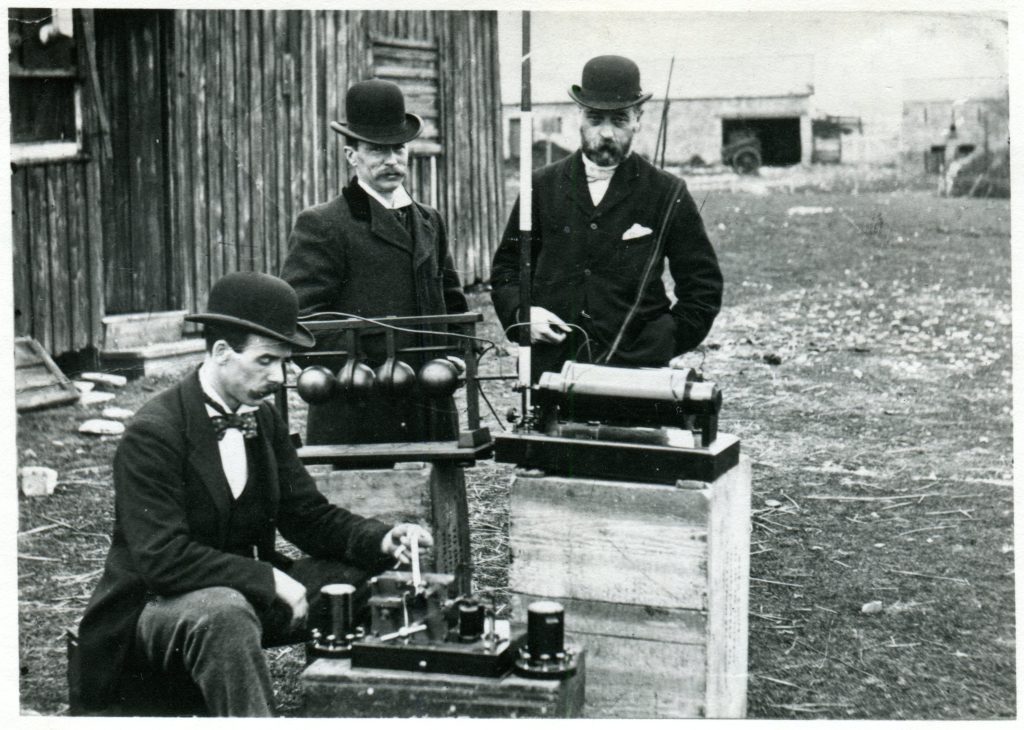
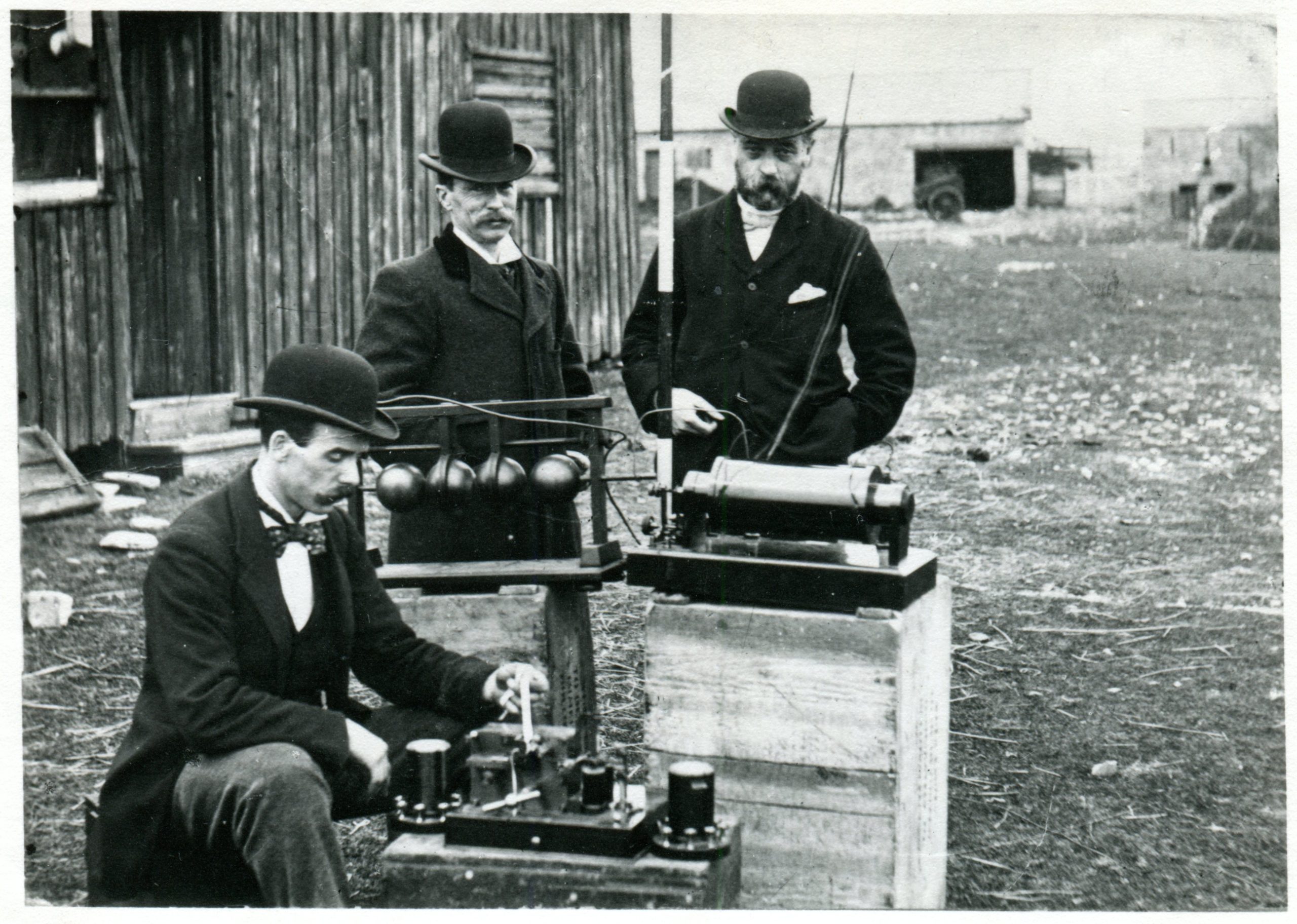
In 1898, experiments conducted by Guglielmo Marconi and his assistant, George Kemp, transmitting electromagnetic waves using a spark gap oscillator between Ballycastle and Rathlin Island proved ground-breaking and led to the development of wireless maritime communication using Morse code.
The Marconi Company supplied the wireless telegraph system used on the RMS Titanic, and directly employed the operators, Jack Phillips and Harold Bride. The system was still a great novelty and was used for passenger communications as well as sending and receiving emergency signals. Several ice warnings were missed because the channels were congested with private messages.
On 15th April 1912, despite initial communication troubles, the operators were able to send the distress signals CQD and SOS which were picked up by the RMS Carpathia, leading to the rescue of 705 survivors. This event led to significant reforms in maritime wireless communications and the adoption of the Radio Act of 1912 which mandated the continuous monitoring of distress frequencies and required an adequate number of trained operators to be employed on ships.
| Did you know?
The original distress signal used by Marconi wireless telegraph operators was CQD (transmitted in Morse code as _._. _ _._ _..). The code CQ designated a general call to all receivers, while the D stood for ‘distress’. In 1906 International Radiotelegraphic Convention had agreed to use Germany’s Notzeichen distress signal (…_ _ _…) as the internationally recognised distress signal. This would be come known as SOS because it used the dot and dash sequence of those letters, but with the usual gap between the letters removed. |
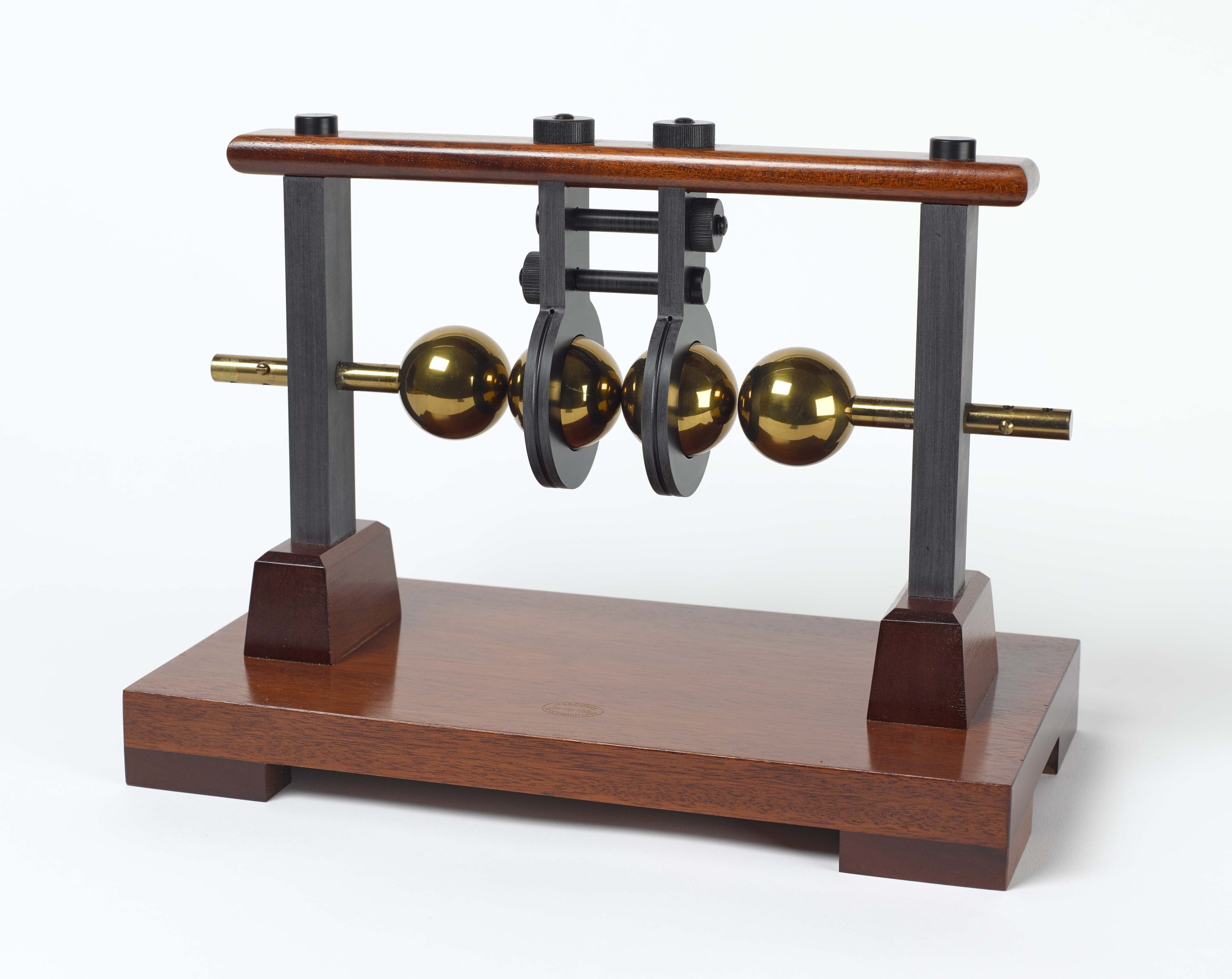
The Ballycastle Museum collection includes a replica of Marconi’s 1885 spark gap oscillator, presented by his daughter, Princess Elettra Marconi, in 1997.
-
- Marconi and his assistant, George Kemp. Ballycastle Museum BC/1994/131/03
-
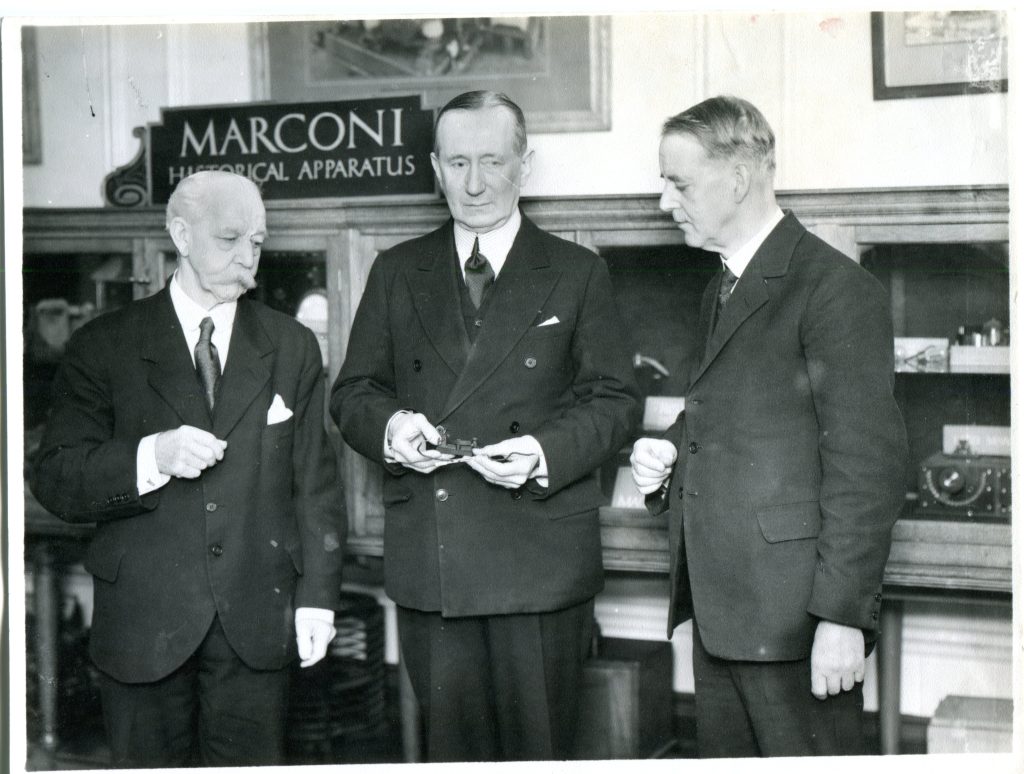
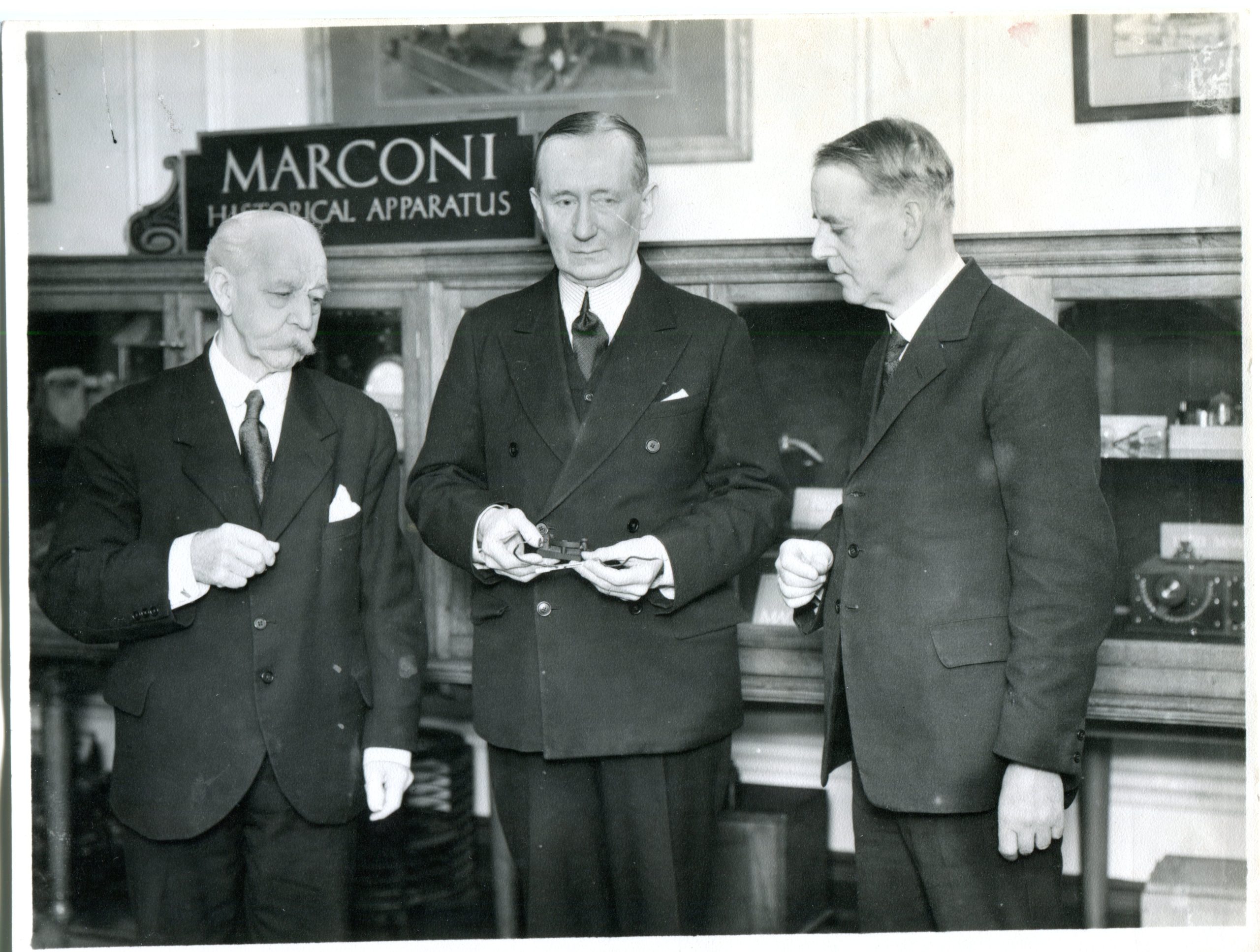
- Post Office Men examining some Marconi’s apparatus. Ballycastle Museum BC/1994/131/04
-
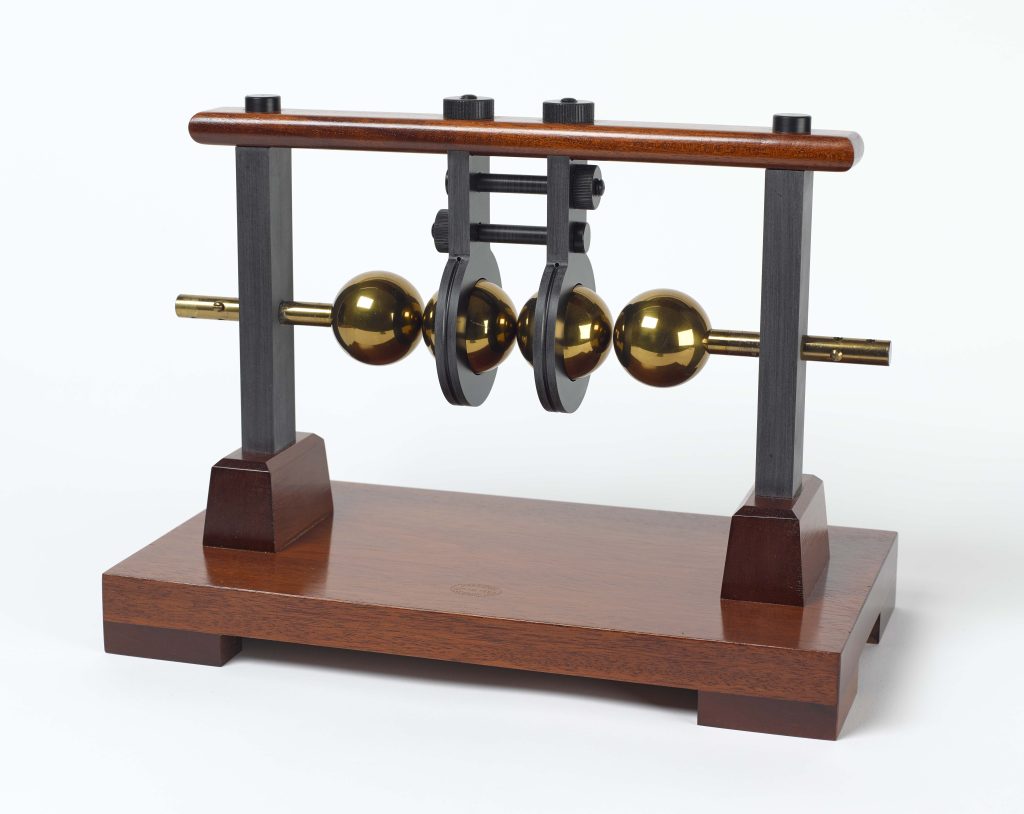
- One of ten replica of Marconi’s 1895 spark-gap oscillators. Presented to Ballycastle Museum by Princess Elettra Marconi in 1997 to commemorate the Marconi Centenary. Ballycastle Museum BC/2010/98
Byrnes and Andrews
Marconi’s experiments in Ballycastle and Rathlin were facilitated by John Byrne, the Town Clerk. John’s wife, Adeline Byrne, was the cousin of Thomas Andrews (1873-1912), the Comber-born general manager of the Harland and Wolff shipyard and designer of the White Star Liners RMS Olympic and RMS Titanic.
Thomas Andrews sailed on Titanic’s maiden voyage to solve any minor issues encountered by the crew. After the ship struck the iceberg, Andrews assessed that the ship would sink in a matter of hours. Eye-witnesses last saw Andrews in the First-Class smoking room, his lifebelt discarded. His body was never recovered.
James Black
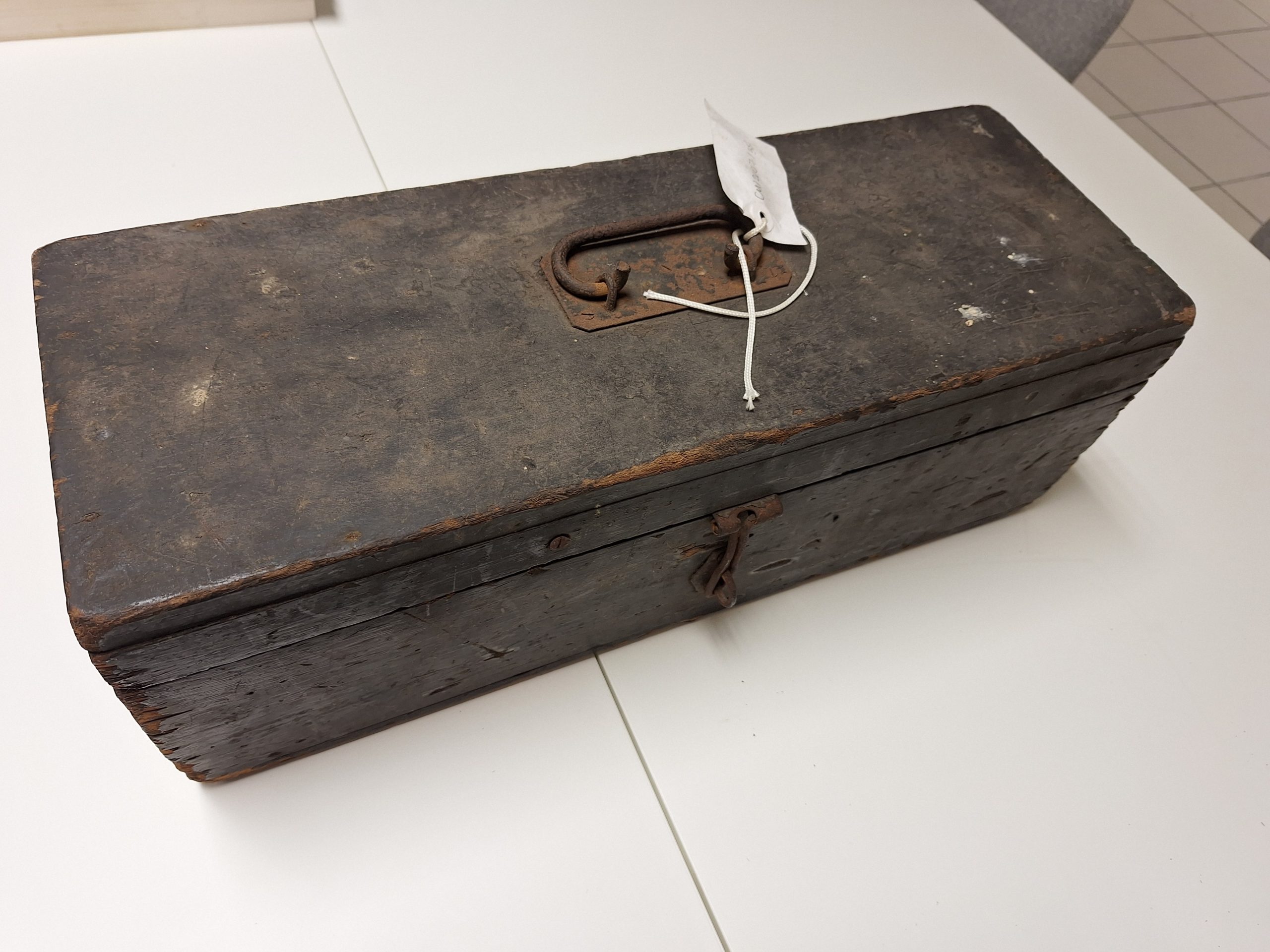
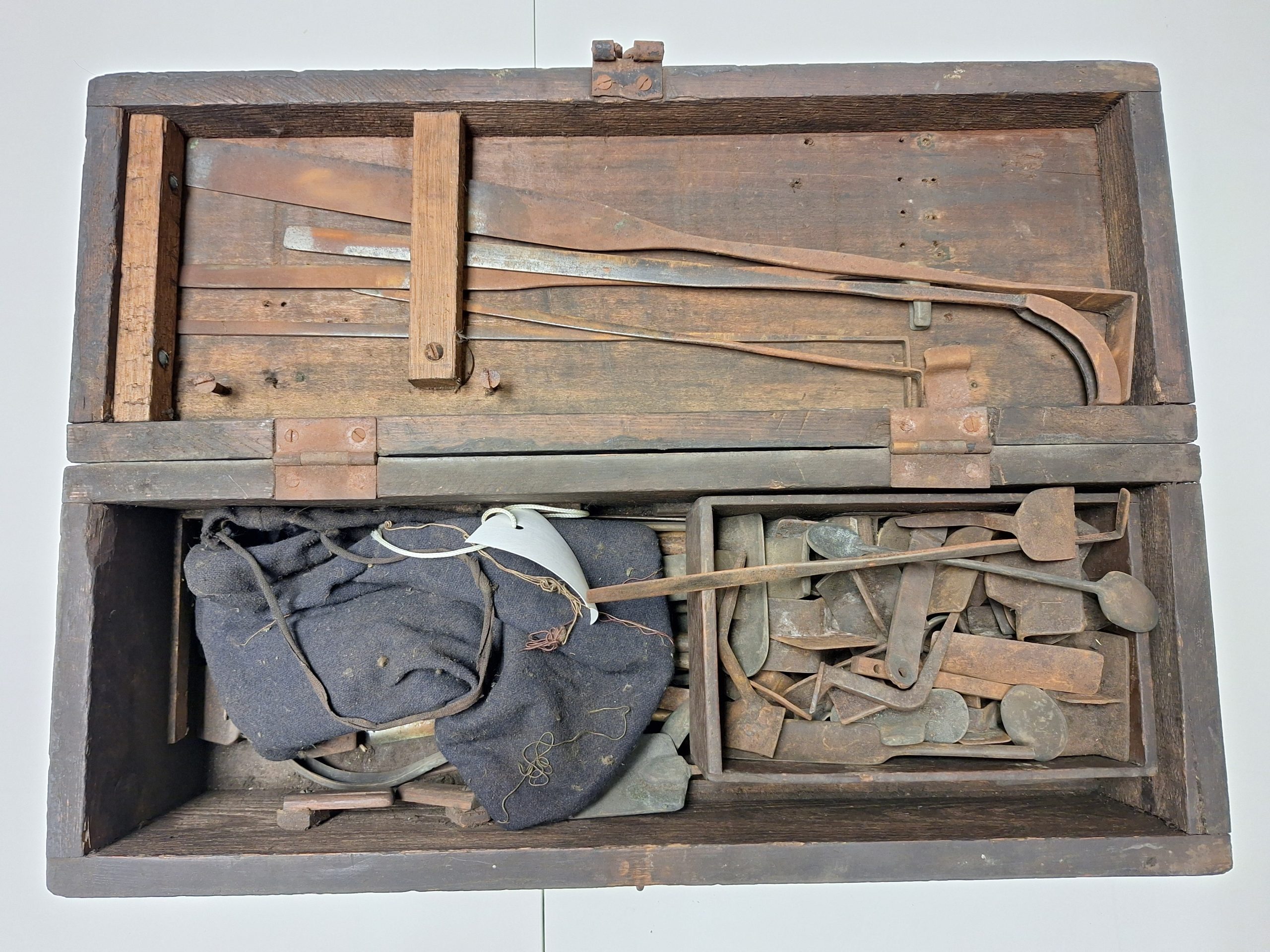
James Black (b. c.1879) from Ballycastle was a Catholic cabinet maker. He found work with Harland and Wolff during the construction of the RMS Titanic. However, after sectarian threats he was advised to leave for his own safety and never returned.
-
- Harland and Wolff toolbox c.1900-1930. Coleraine Museum CM.2007.382
-
- Harland and Wolff toolbox c.1900-1930. Coleraine Museum CM.2007.382
Sharpe and McKinley – ticket agents for White Star Line
The Sharpe and McKinley hardware shop on Castle Street, Ballycastle, was also a booking office and ticketing agent for White Star Line. They advertised the Olympic class of ships with a poster showing RMS Olympic and RMS Titanic, and had a copy of the Olympic deck plans to show prospective ticket buyers the locations of different rooms and facilities on board.
-
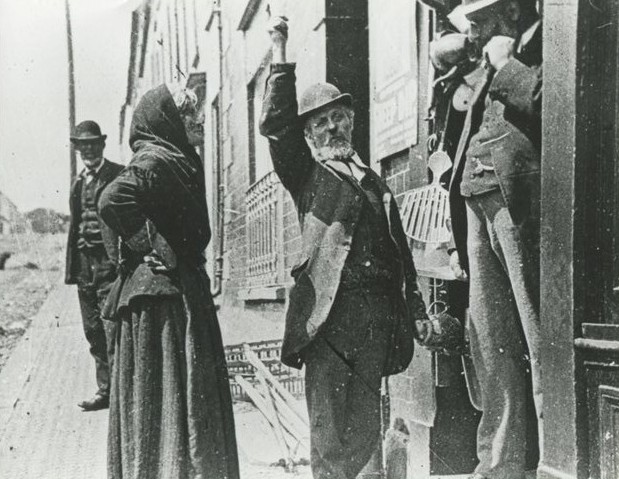
- Daniel McKinley, owner of Sharpe & McKinley, entering the shop (c.1915-1920). Courtesy Danny Morgan
-
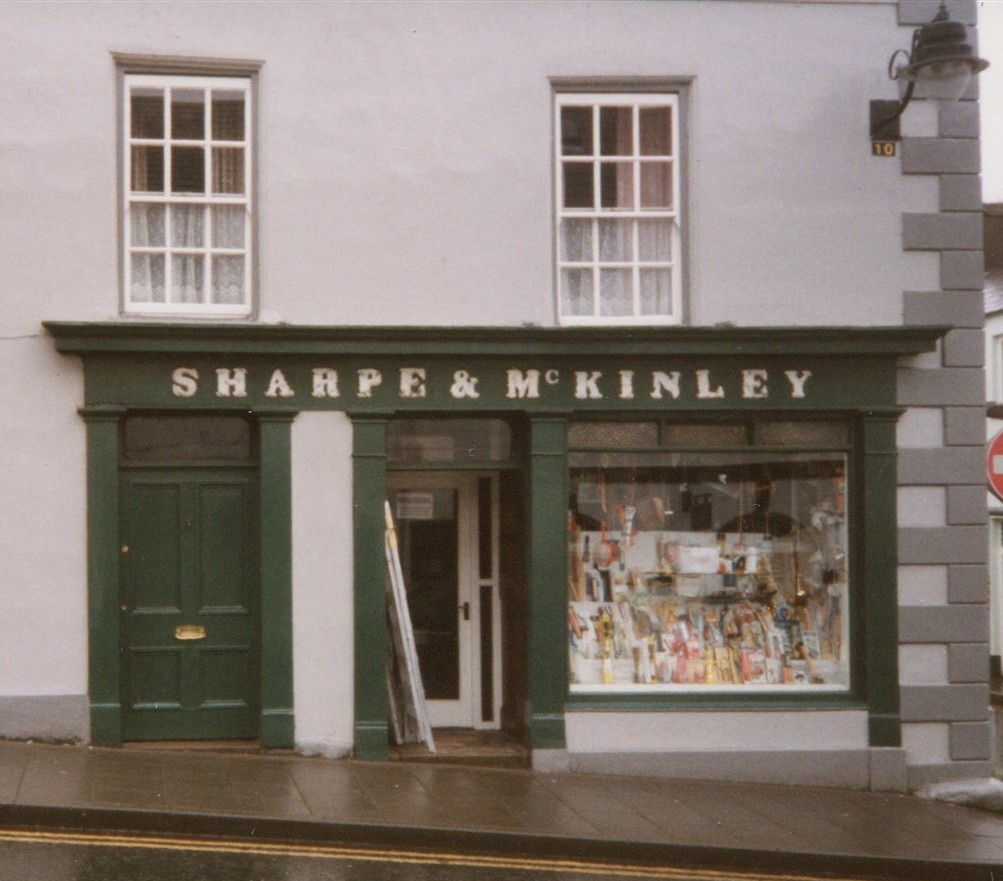
- Sharpe & McKinley (1995). Courtesy Danny Morgan
Missing the Boat
The Northern Whig, Coleraine Chronicle and Ballymoney Free Press and Northern Counties Advertiser all reported the story of an unnamed Limavady woman home from The United States of America to visit relatives in the Limavady area. Due to return to America on the RMS Titanic, she was persuaded by friends to stay a little longer. By deciding to miss her passage back to America, she avoided the Titanic disaster.
James Blaney of Ballycastle
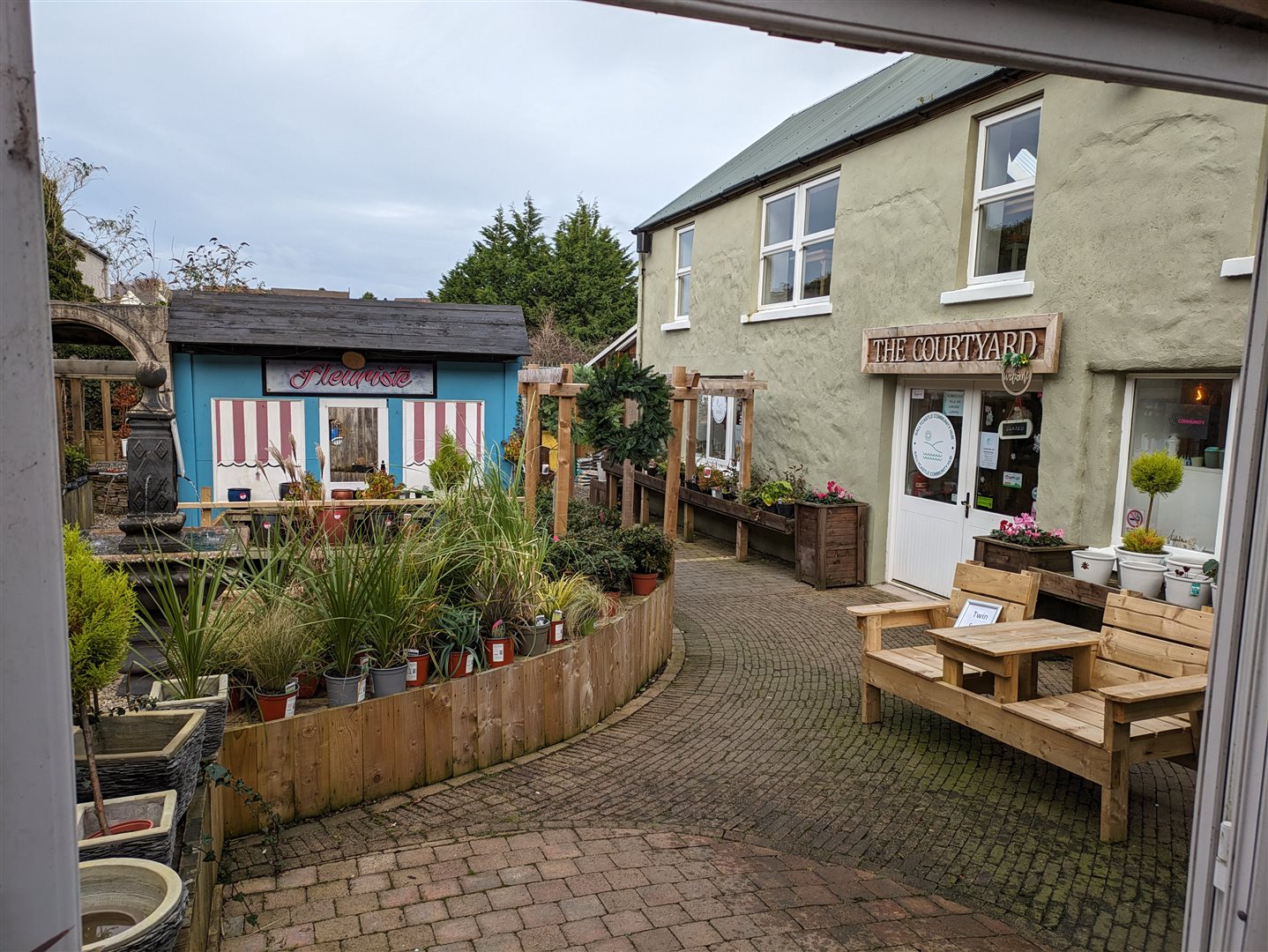
Born to a Rasharkin family in 1880, James Blaney grew up in Ballintoy and Ballycastle and lived for a time in one of the small dwellings behind what is now no.56 Castle Street, then known variously as Boyd’s Yard, McCurdy’s Row, or Skid Row.
After working as a labourer in Scotland, two years in the Royal Navy, and four years in the army, James began working for White Star Lines around 1906. His service papers describe him as 5’ 4”, 166lb, with a fresh complexion, grey eyes and brown hair.
At White Star Line, James worked as a fireman or stoker, a physically demanding job shovelling coal into the boilers in the hull of a vessel. Firemen worked in shifts, four hours on, and four hours off.
He transferred from the SS Narrung to the Titanic for her maiden voyage. Less than a quarter of the firemen on board Titanic survived the disaster. James’ body, if recovered, was never identified.
-
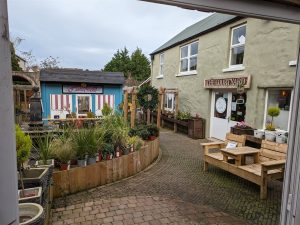
- Garden centre and cafe in what was once Boyd’s Yard.Boyd’s Yard. Ballycastle Museum
-
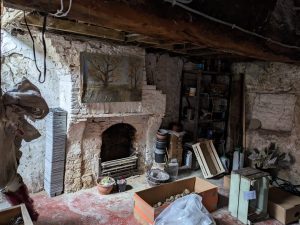
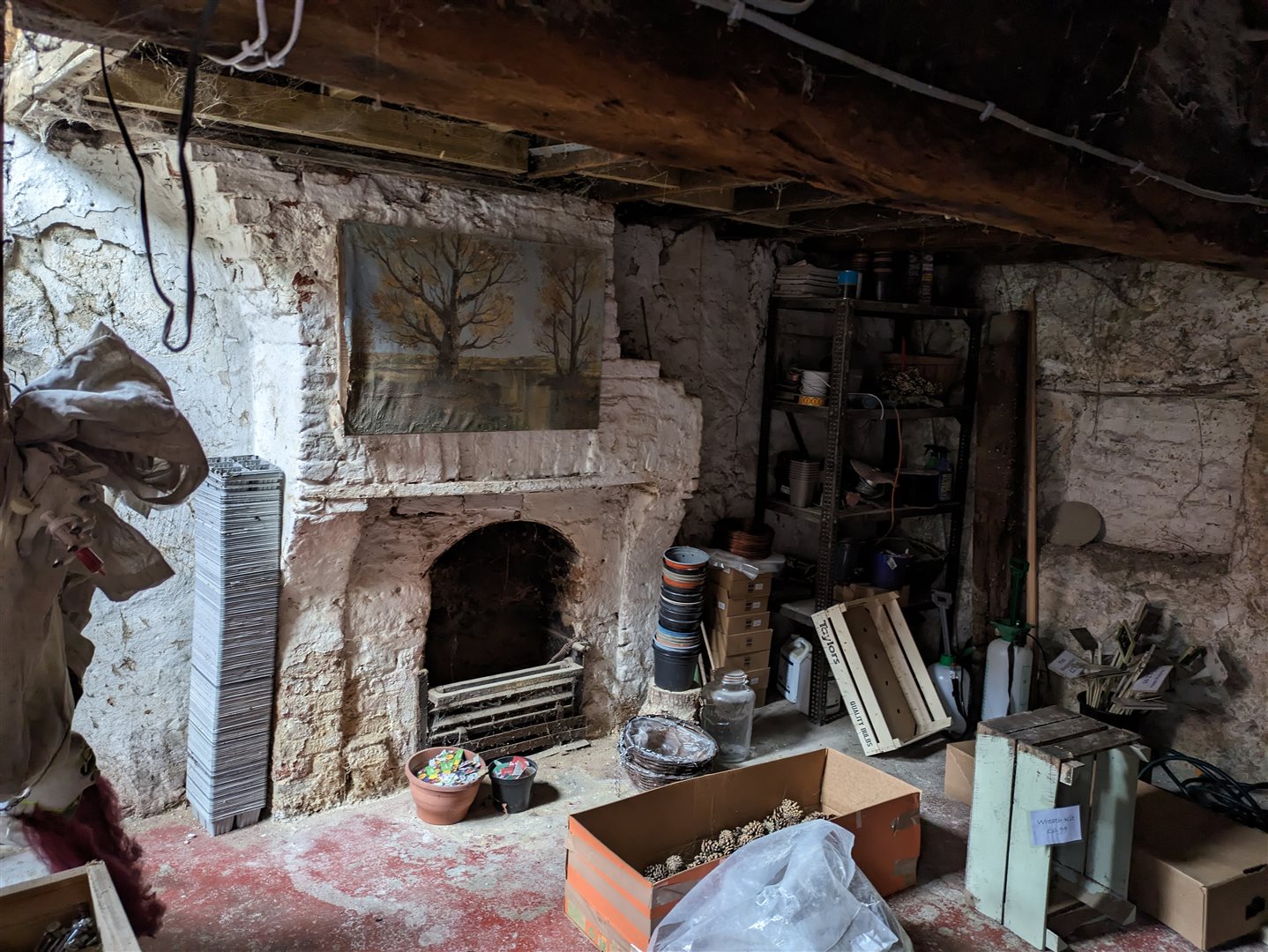
- Original fireplace from one of the dwellings of Boyd’s Yard. Ballycastle Museum
-
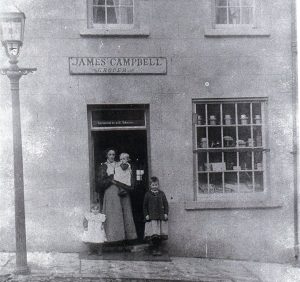
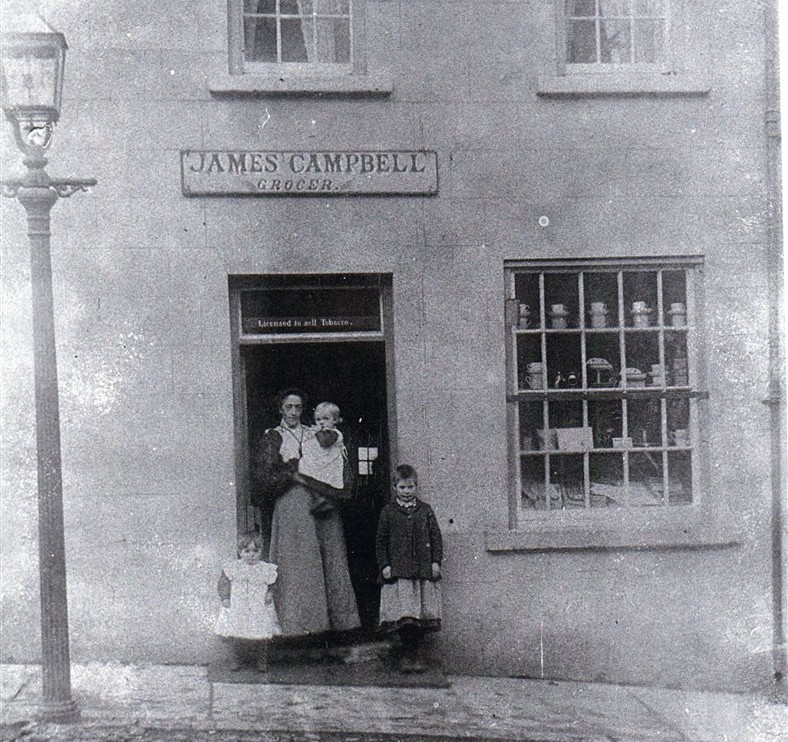
- Campbells Grocers, facing Castle Street in front of Boyd’s Yard (c.1901). Ballycastle Museum BC.2009.001
Wilfred Deable Seward, from London to Ballymoney via the RMS Titanic
Born in London in 1887 to an Irish mother, Wilfred Deable Seward worked as a ship’s steward. In 1912, Wilfred transferred from the RMS Olympic to the Titanic for her initial crossing from Belfast to Southampton. He only signed on for the maiden voyage across the Atlantic on 4th April. Serving as Chief Pantry Steward (2nd Class), he would have earned £4, 10s per month.
According to Wilfred’s account given to the British Wreck Commissioner’s Inquiry into the sinking (24 May 1912), he had been relaxing in his cabin when the ship struck the iceberg but thought little of it and went back to sleep. It was only sometime later that he was called to assist passengers into lifeboats. He boarded lifeboat 3 with another 60-70 people.
Wilfred later claimed that lifeboat 3 had capsized when being lowered and he spent hours in the water before being rescued by another lifeboat. However, he made no mention of the incident during the formal inquiry, nor is there any record of the event from another person on lifeboat 3.
Enlisting in the army at the start of World War One, Wilfred arrived in France in November 1914. He was discharged four weeks later with rheumatism. His invalidity records stated: “This man was on board the Titanic when she went down. He was in the water 2½ hours … Causation of the disability – immersion at sinking of the Titanic.”
Wilfred returned to sea, serving on various civilian ships until 1954 when he retired with his wife to Ballymoney. According to an interview in the Ballymena Weekly Telegraph in 1956 he still retained his set of Titanic pantry keys. Dying 12th December 1963, Wilfred Seward was buried in an unmarked grave. In 2013, a memorial above his grave was erected in his honour.
-
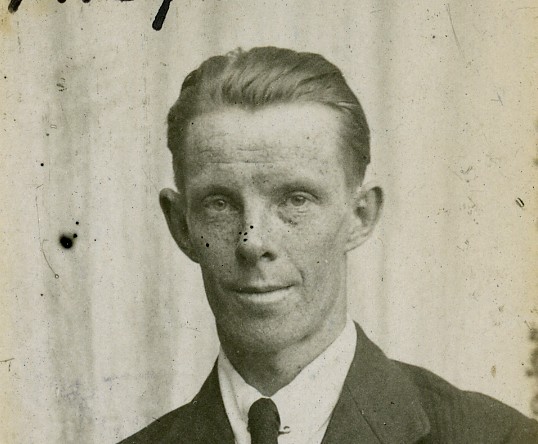
- Photo of Wilfred Deable Seward in 1920, Courtesy Southampton City Council, image taken from records held by Southampton Archives
-
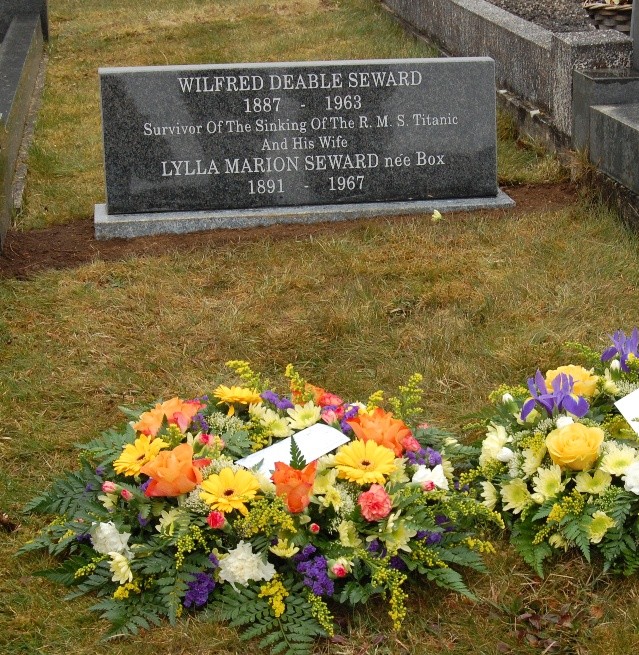
- Memorial erected to mark Wilfred and Lylla Seward’s grave in Ballymoney (2013). Ballymoney Museum
The Titanic Relief Fund
Across Ireland and Britain, communities came together to provide support for the widows and orphans of the Titanic disaster. In the days and weeks following the sinking, donations came in from organisations, groups and individuals across the Causeway Coast and Glens including the Coleraine Boy Scouts, Coleraine Model School, the women of Portrush, Portrush Presbyterian Church, and Trinity Church Ballymoney.
£414,000 was raised through public donations – around £30 million in today’s money – which was allocated as a weekly allowance to ‘deserving’ families on a class system, from Class A (the widows and children of officers) to Class G (the widows and children of stokers, scullions and lower stewards).
-
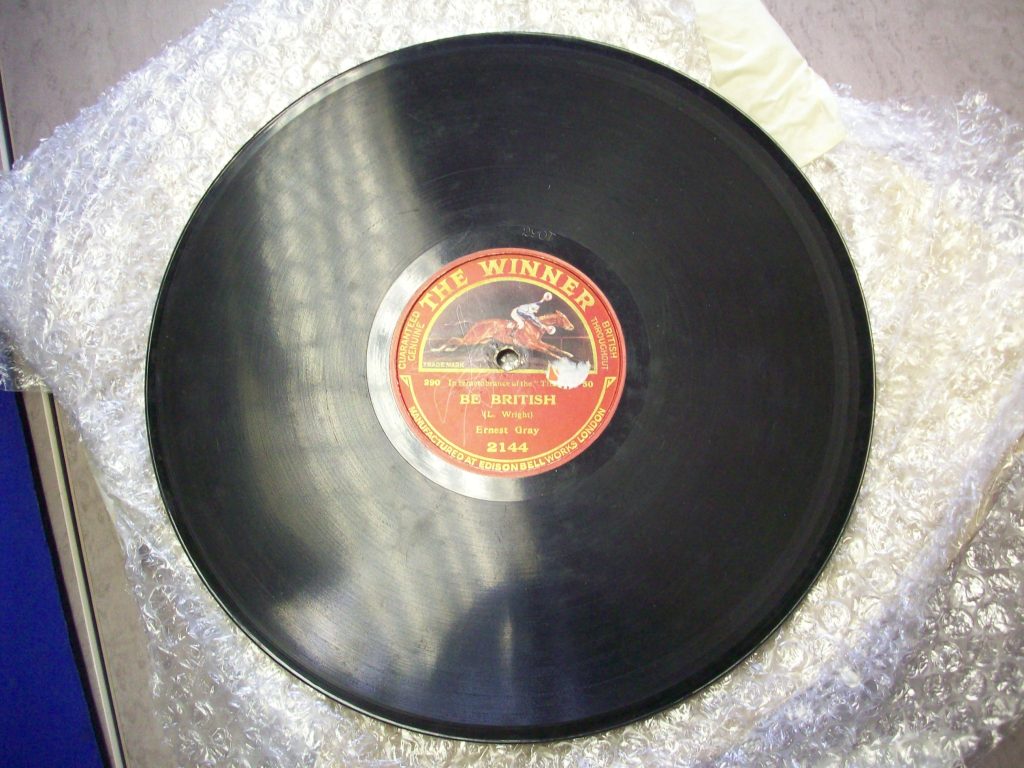
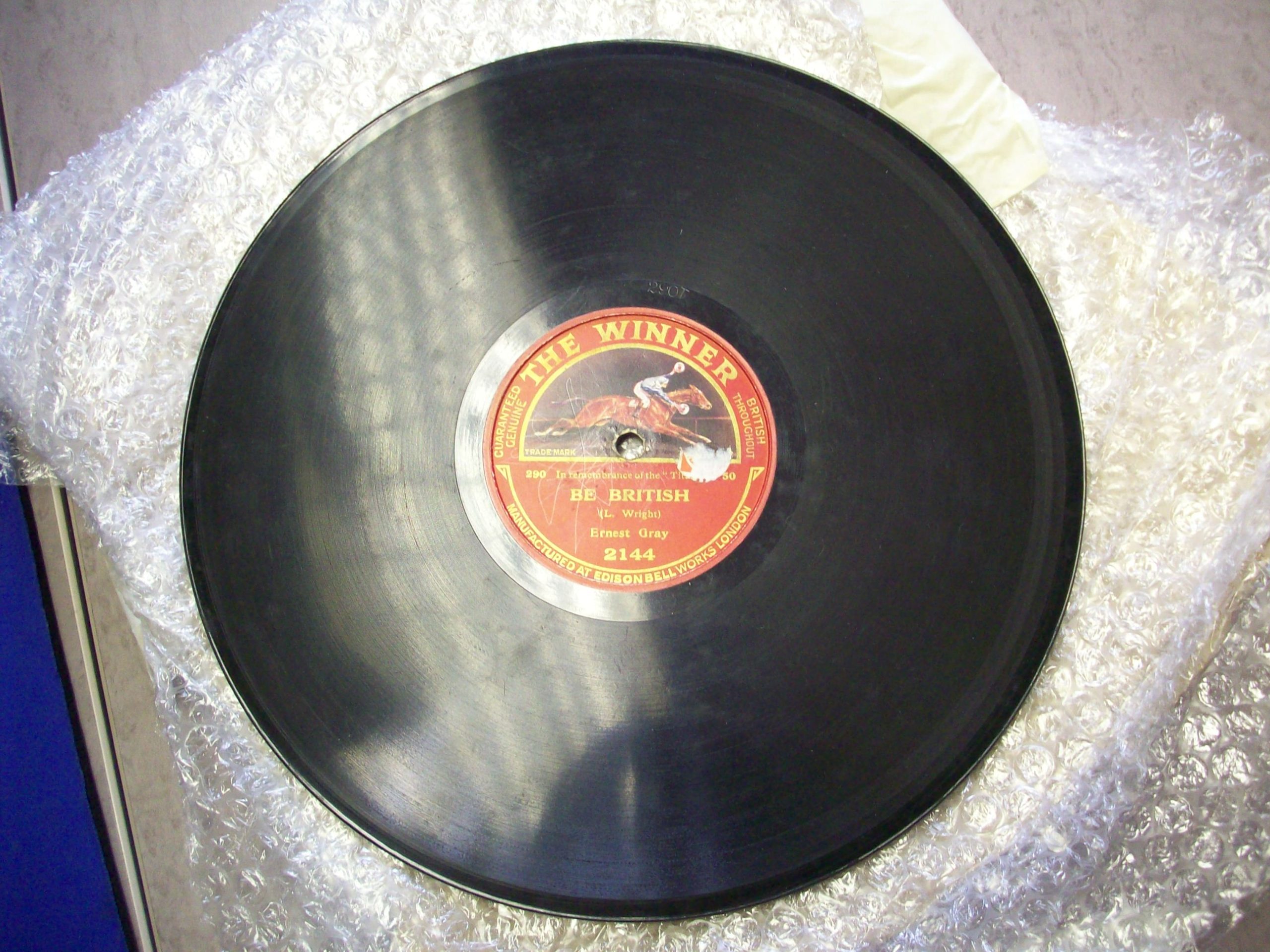
- Vinyl record titled, ‘Stand to your Post/Be British’ (in remembrance of the Titanic). Limavady Museum LVADY1999.133
-
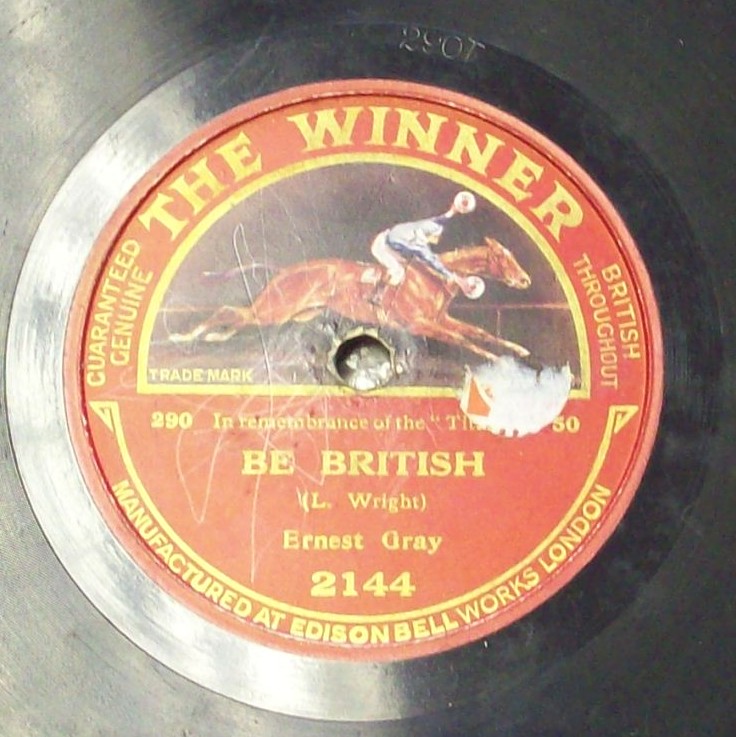
- Vinyl record titled, ‘Stand to your Post/Be British’ (in remembrance of the Titanic). Limavady Museum LVADY1999.133